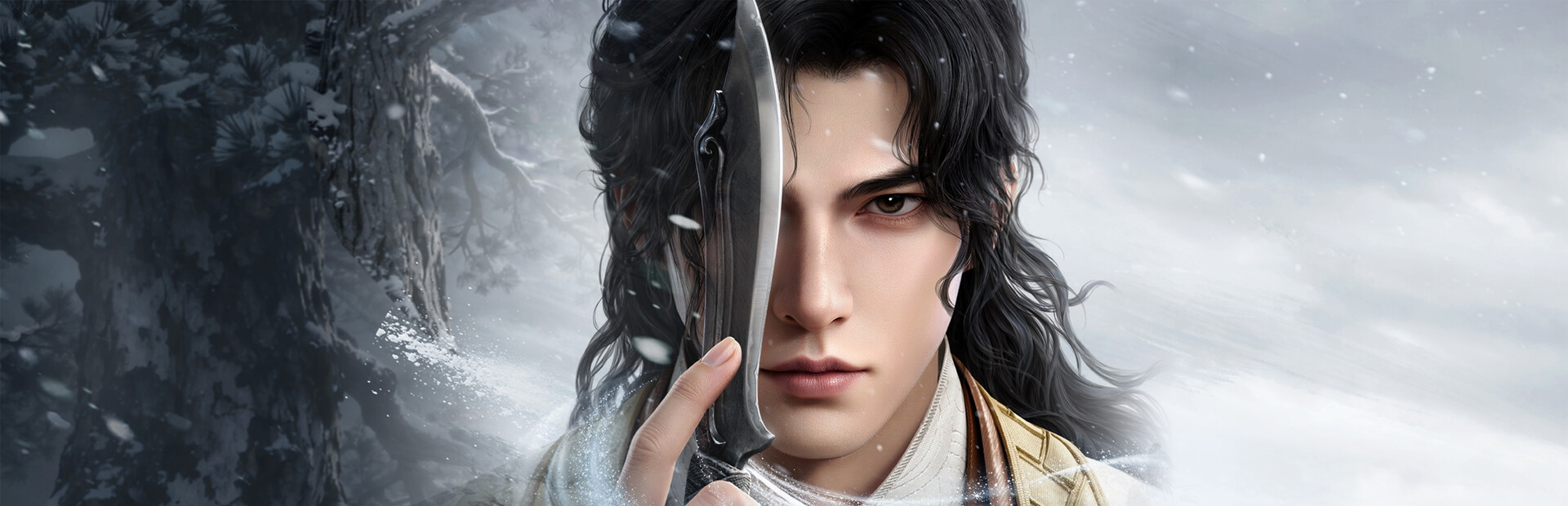
Naraka: Bladepoint pushed a content update on July 30 built around two additions: Ye Xiu, the hero borrowed from The King’s Avatar, and the Kaleidoscope Parasol, the first weapon in the game that swaps between several forms mid-fight. The hero is handed out for free to anyone who logs in, which guarantees a crowded few days of lobbies. And every content drop of this size means a rebuilt client — which is where third-party software starts to matter.
The additions in short
- Ye Xiu arrives with a kit centred on quick repositioning, counterattacks and flexible combo routing.
- 24 Entertainment stresses that this is not a cosmetic reskin: the hero carries both area damage and meaningful single-target burst, which the studio frames as one of the game’s few genuinely all-round picks.
- Kaleidoscope Parasol is the first Naraka weapon that cycles freely between forms during combat — parasol, shield and axe.
- Each form covers a different job: mobile pressure, defensive coverage, and heavy close-range punishment.
- The studio ties the crossover to five years of work and to its argument that Chinese martial arts belong in competitive gaming.
Why a shape-shifting weapon changes reads
Naraka has always rewarded weapon recognition. You see the loadout, you know the ranges and the punish windows. The Kaleidoscope Parasol removes that certainty: the same opponent can open aggressive, drop into a defensive stance, and finish the exchange with a heavy swing without ever swapping items. Mechanically that means new animations, new transition timings, and weapon states the client simply did not track before.
Ye Xiu pushes in the same direction. Counterattack-heavy, movement-heavy characters are exactly the archetype that breaks naive motion prediction. Anything tuned against slower, more committal heroes will read the new hero’s direction changes late.
What this means for players using software
Treat this as a functional patch, not a cosmetic one. A new hero plus a new weapon class means recompiled binaries, and recompiled binaries mean shifted offsets and altered data structures. An unpatched build either refuses to attach or feeds you garbage — blank ESP, wrong models, weapon states that make no sense. Launching an outdated build in the first hours after a patch is the cheapest way to collect a flag.
A workable routine:
- Check the current state of your build on the update status page before you queue, instead of testing it live in a real match.
- If the status reads “updating,” sit it out. A day of downtime costs less than an account. Client updates often arrive alongside protection-side changes, and community experience is that the days right after a patch are the least forgiving ones for any build.
- Retune your configuration. Smoothing and prediction values calibrated on the old weapon pool will feel coarse against parasol form swaps and Ye Xiu’s counter windows.
- Expect a report spike purely from volume. A free hero pulls in a lot of players, more matches means more clips, and clips travel. Playing loud right now is worse value than usual.
- If the account has already had action taken against it, a HWID spoofer stays part of the setup, not an optional extra.
Current builds and their status for this title are listed on our Naraka: Bladepoint page.
Dominate Naraka: Bladepoint with our software
Verified cheats and software — updates within 12–48 hours after major patches, with guarantees and 24/7 support.